Knee & Joint Care · Richmond Hill, Queens
Knees Holding You Back?Talk to the Person Who Treats Them.
Ultrasound-guided joint care at our Richmond Hill clinic, planned with you one-on-one. Start with a free 15-minute call with Gabriel Akinyemi, FNP-C.
See a Real Visit
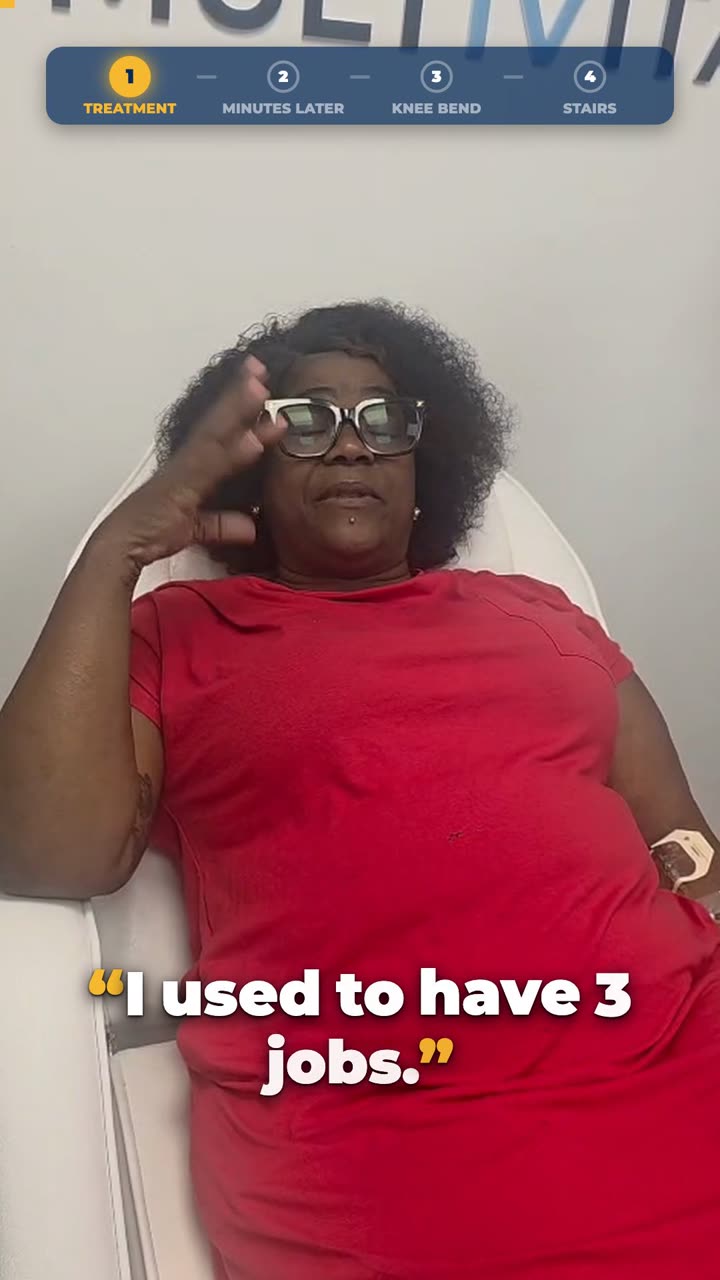 1:04
Her Knee Story
 0:49
Back on the Stairs
 1:28
Injection Day
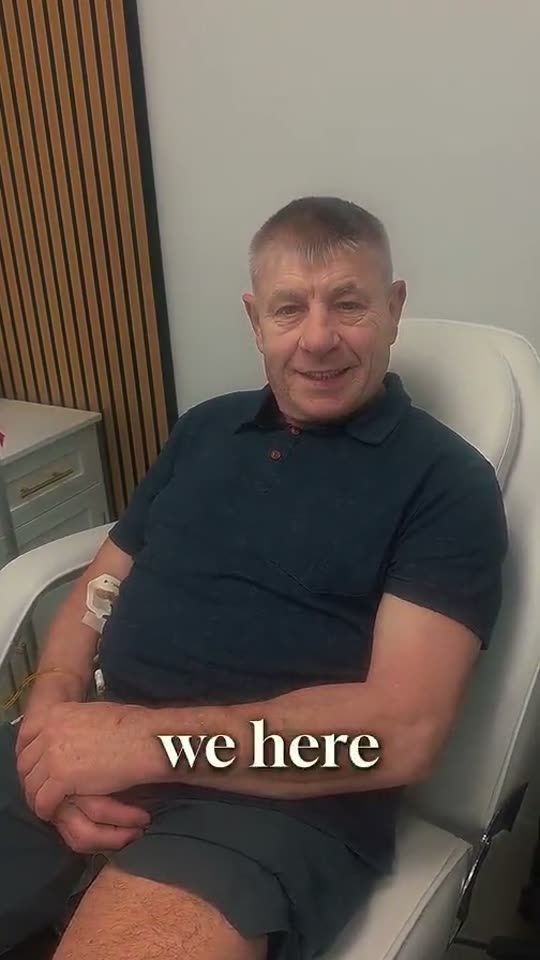 2:02
A One-on-One Consultation
 1:13
After Treatment
Real MultiVita Health patients. Individual experience. Results vary.
This Might Be a Fit If…
- Stairs, long walks or getting up from a chair have started to hurt
- Shots or pills helped for a while, then stopped
- You want to understand your options before anyone talks about surgery
- You'd like a plain answer on whether you're a good candidate
What to Expect
Joint care at MultiVita Health is typically done in the clinic, using ultrasound so Gabriel can see the joint while he works. Options can include regenerative injections, prolozone and exosome protocols, depending on what he finds and what you want. He'll walk you through each option, what it involves and what it costs before you decide. A deposit, set by Gabriel, is required to book any injection.
Good to know
- Usually in clinic, ultrasound-guided
- Knee, hip and other joints
- Starting at $1,999. Your exact plan and price are set on your free call
- Deposit required to book. Gabriel sets the amount
- Self-pay
Joint Care Pricing
Your exact plan and price are set on your free call with Gabriel. Injection treatments need a deposit to book, because the medicine is ordered just for you. Gabriel sets the amount on your call.
How to Get Started
Free 15-Minute Call
Book a time and Gabriel calls you. Ask anything. There's no cost and no obligation.
A Straight Answer
He explains your options, what they involve and what they cost, and tells you plainly if something isn't right for you.
Start When You're Ready
If you go ahead, Gabriel tells you the deposit to book your treatment. It's credited toward it.
The Person on Your Call Is the One Who Treats You.
Gabriel Akinyemi, FNP-C, is a family nurse practitioner licensed in New York and New Jersey. He does every consultation and every treatment himself, at the clinic in Richmond Hill, Queens.
Considering Knee Replacement? 10 Questions to Discuss With Your Care Team.

A plain-language guide to help you prepare for appointments, with questions about your diagnosis, your options, risks, recovery and timing.
For education only. Not medical advice, and not a substitute for your treating clinician’s guidance.
Get Your Free Guide
Enter your details and we’ll send you the guide.
🔒 We respect your privacy. Unsubscribe anytime. See our Privacy Policy.
Knee and joint care: let's start with what is getting in your way
Tell me what you want to get back to doing. Walking farther? Taking the stairs? Getting through the day with less thought about your knee? Start there. I want this conversation to be about your life, not just the name of an injection. A useful joint-care plan considers pain, movement, previous treatment, and the cause of the problem.
First, understand the joint
Pain, stiffness, and swelling can lead to different treatment decisions, depending on the diagnosis. Exercise, medication, and injections each have a place in knee care; choosing an injection does not make strengthening and rehabilitation unnecessary. So now, before comparing treatments, ask a simpler question: what are we trying to change?
Think about the details you want to discuss. How far can you walk comfortably? Does the knee interrupt sleep? What have you already tried? These details help put treatment decisions in the context of daily function. Bring your questions, including the ones that seem small. I would rather explain a word than have you leave wondering what it meant.
The injection name matters
PRP stands for platelet-rich plasma, a preparation made from a concentrated portion of your own blood. Blood is drawn from an arm and processed in a centrifuge before the platelet-rich portion is injected. So the blood draw and the injection are two parts of the same procedure, right?
An ultrasound-guided injection describes how the needle is placed, not what is inside the syringe. Ultrasound helps the clinician see structures and guide placement. At MultiVita Health, joint care is typically done in the clinic with ultrasound guidance; an at-home visit may be considered case by case.
PRP, prolozone, stem-cell products, and exosome products are different preparations. So now, put the treatment name beside the explanation. What is being prepared? How is it delivered? I want you to be able to follow the steps in plain language.
What improvement could mean
PRP may reduce pain and improve function for some people with symptomatic knee osteoarthritis. AAOS grades that recommendation as limited because the research is inconsistent. The studies also vary in the PRP preparations they use, which makes a single universal treatment plan hard to establish.
The useful outcomes in the AAOS review are changes in pain and function; structural cartilage improvement was not established. Think about what that means in your day. Walking to the store, getting through a shift, taking the stairs at home. Those are the kinds of goals I want you to describe. A specific goal gives the conversation a direction.
The more encouraging PRP evidence concerns lower-grade or mild-to-moderate knee arthritis. More advanced joint disease may call for a different discussion, including orthopedic options. Orthopedic care remains one of the options to discuss as part of the longer-term plan.
Understand the experience, too
A needle pinch, pressure, and temporary soreness can occur with an injection. Numbing practices vary, and published PRP schedules include both single injections and series. There is no established best schedule for everyone, and improvement, when it occurs, may take weeks.
Ask about activity afterward, pain relief, and the point at which progress will be reviewed. Those are practical questions, right? Comparing walking, sleep, and movement before and after treatment can help keep the conversation focused on function. A treatment decision should also account for medicines, previous care, and relevant health history.
FDA has not approved exosome products, or stem-cell products for treating knee arthritis. Those are product facts, separate from how a procedure is described or where it takes place.
Let's talk about your next step
The first step for joint care at MultiVita Health is a free 15-minute phone consultation with me. Injection treatments need a deposit because the medicine is ordered for you, and I set the amount on the call. Bring the questions you want answered before deciding. Book My Free Call
For education only; this article is not a personal treatment plan.
More Questions, Answered
Does PRP regrow knee cartilage?
Cartilage regrowth has not been established as a reliable outcome of PRP. The evidence is more useful for discussing possible changes in pain and function.
Is PRP better than a cortisone shot?
There is no single answer for every person or every point in treatment. Diagnosis, previous response, and the goal of treatment matter when comparing options.
Why use ultrasound?
Ultrasound helps identify structures and guide needle placement. So guidance describes placement, while the treatment name describes the preparation being used.
How many injections will I need?
Research uses different schedules, and a universal best schedule has not been established. Ask what the initial plan includes and when the decision to continue will be reviewed.
Will the injection hurt?
A pinch, pressure, and temporary soreness are possible. Ask about numbing and aftercare before treatment, so the steps are clear to you.
What about bone-on-bone arthritis?
The more encouraging PRP findings concern lower-grade knee arthritis. Advanced disease may need an orthopedic discussion instead of assuming that more injections will provide the answer.
Can an injection help me avoid knee replacement?
No injection guarantees that surgery will never be needed. Discuss the function you want to improve and how the available options fit that goal.
Is care covered by insurance here?
MultiVita Health is self-pay. The joint-treatment deposit is set on your call because medicine is ordered for you.
Common Questions
Do I need an X-ray or MRI first?
Bring any imaging you already have. If Gabriel needs more, he'll tell you on your call.
Is this done at home?
Joint care is typically done in our clinic, where Gabriel uses ultrasound to guide each injection. In some cases, he may consider an at-home visit. Ask him about it on your free call.
Will it work for me?
Gabriel won't know until he's looked at your situation, and he'll tell you straight either way. Results vary, and some people see no change.
Do you take insurance?
No. MultiVita Health is self-pay. Gabriel goes over costs on your free call, before you decide anything.
15 Minutes. Free. A Straight Answer.
Book a free 15-minute call with Gabriel, or call or text and Celeste, our virtual assistant, will help you right away.
The consultation is free: 15 minutes with Gabriel, by phone. If you choose a treatment, a deposit set by Gabriel books it and is credited toward it. All services are self-pay.